



TILAPIA 2025 wrapped up by issuing an urgent call to action for Innovation, Integration and Profitability in Tilapia Aquaculture: Modernisation for a New Era


Day 1 (Plenary Session): Global and regional overview of major tilapia producing regions and markets
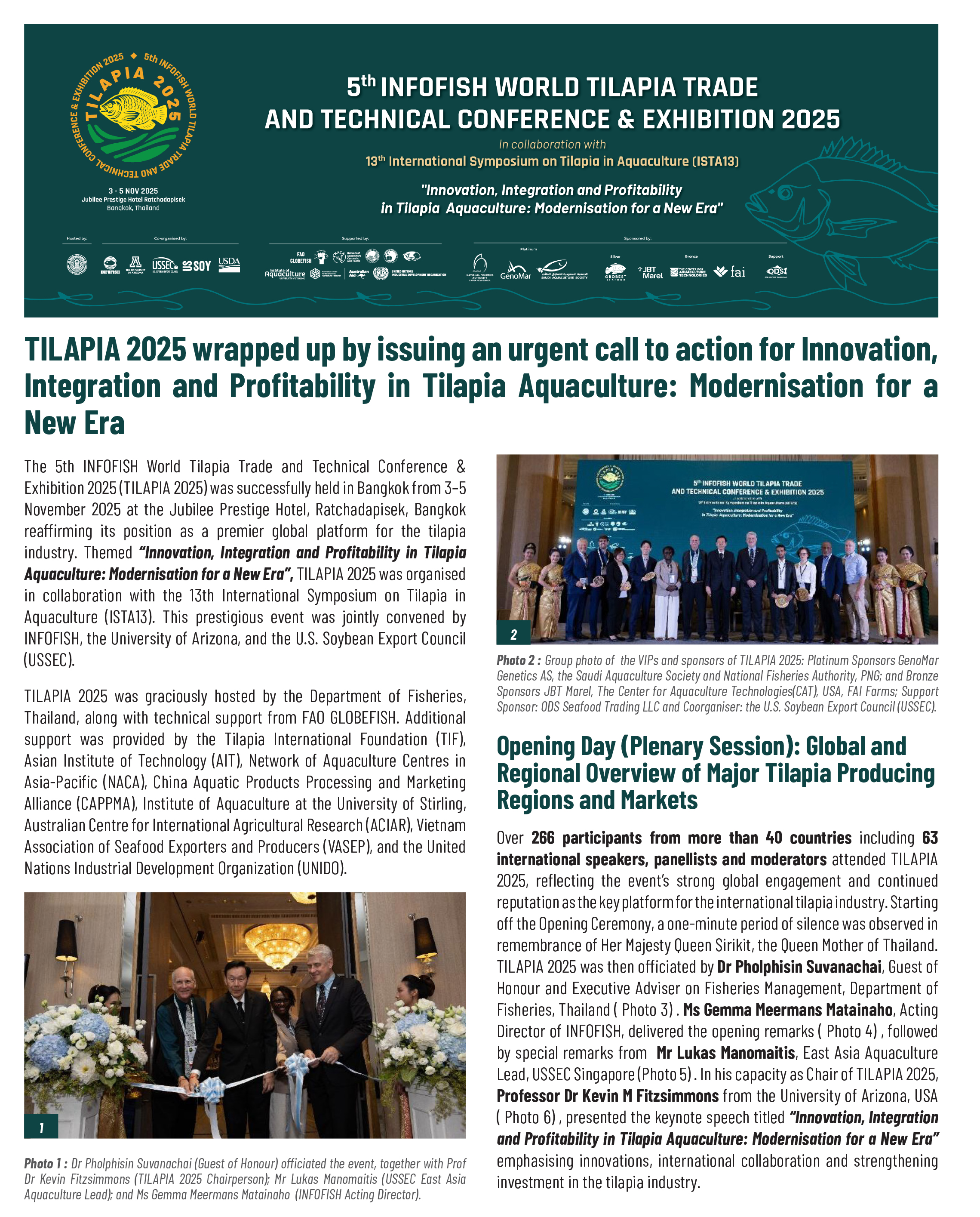
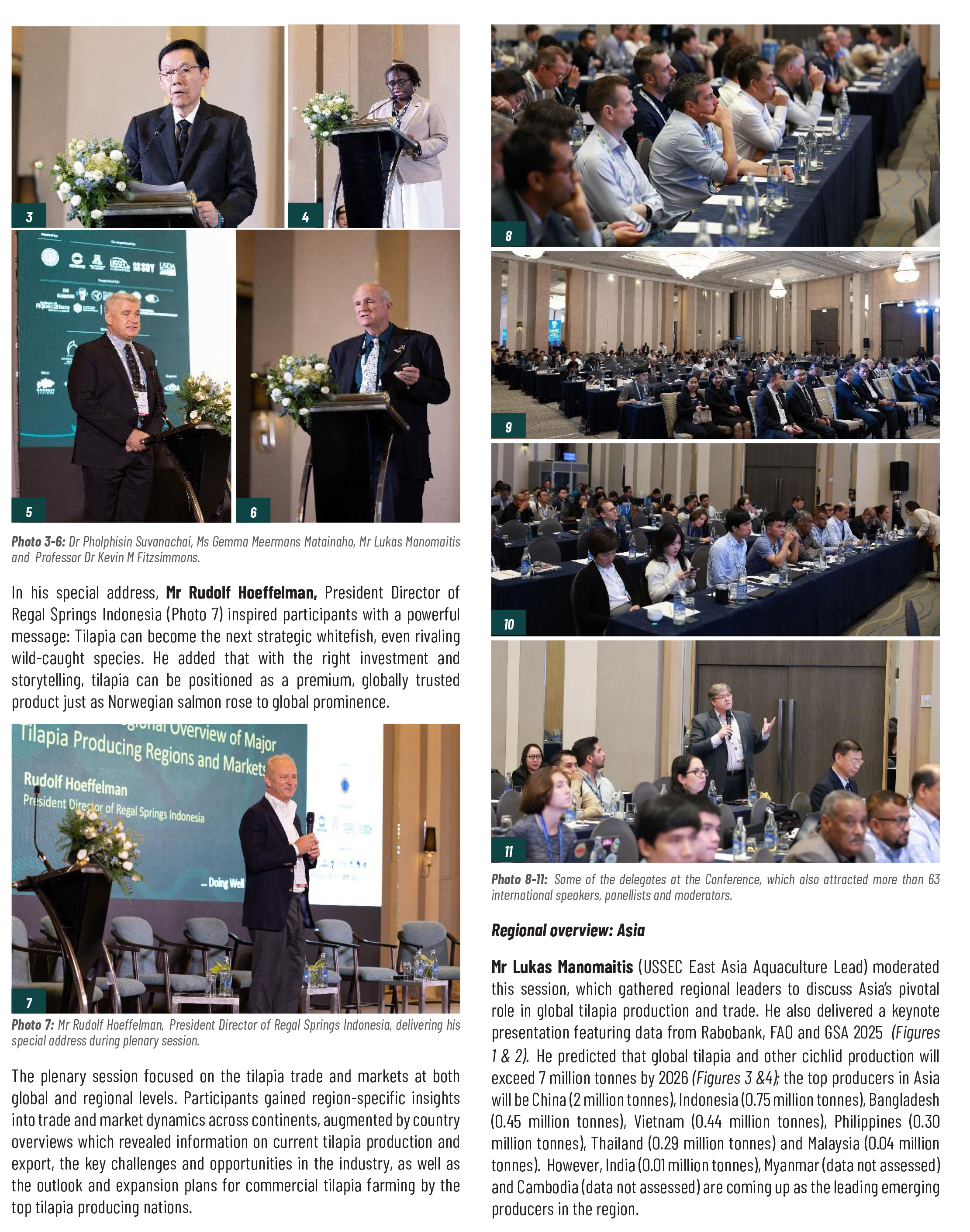
Over 266 participants from more than 40 countries, including 63 international speakers, panellists and moderators attended TILAPIA 2025, reflecting the event’s strong global engagement and continued reputation as the key platform for the international tilapia industry. Starting off the Opening Ceremony, a one-minute period of silence was observed in remembrance of Her Majesty Queen Sirikit, the Queen Mother of Thailand. TILAPIA 2025 was then officiated by Dr Pholphisin Suvanachai, Guest of Honour and Executive Adviser on Fisheries Management, Department of Fisheries, Thailand. Ms Gemma Meermans Matainaho, Acting Director of INFOFISH, delivered the opening remarks, followed by special remarks from Mr Lukas Manomaitis, East Asia Aquaculture Lead, USSEC Singapore. In his capacity as Chair of TILAPIA 2025, Professor Dr Kevin M Fitzsimmons from the University of Arizona, USA, presented the keynote speech titled “Innovation, Integration and Profitability in Tilapia Aquaculture: Modernisation for a New Era” emphasising innovations, international collaboration and strengthening investment in the tilapia industry.


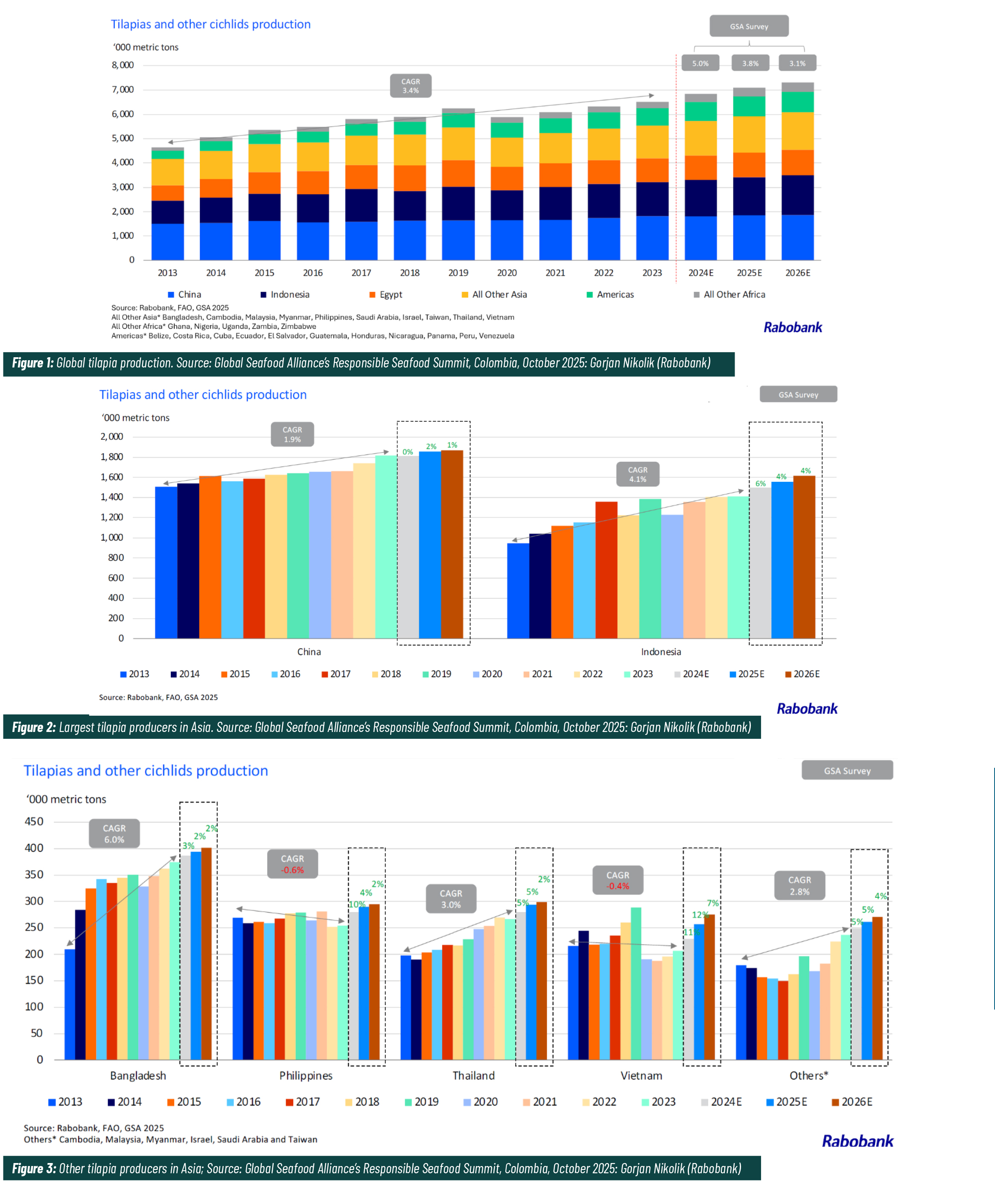
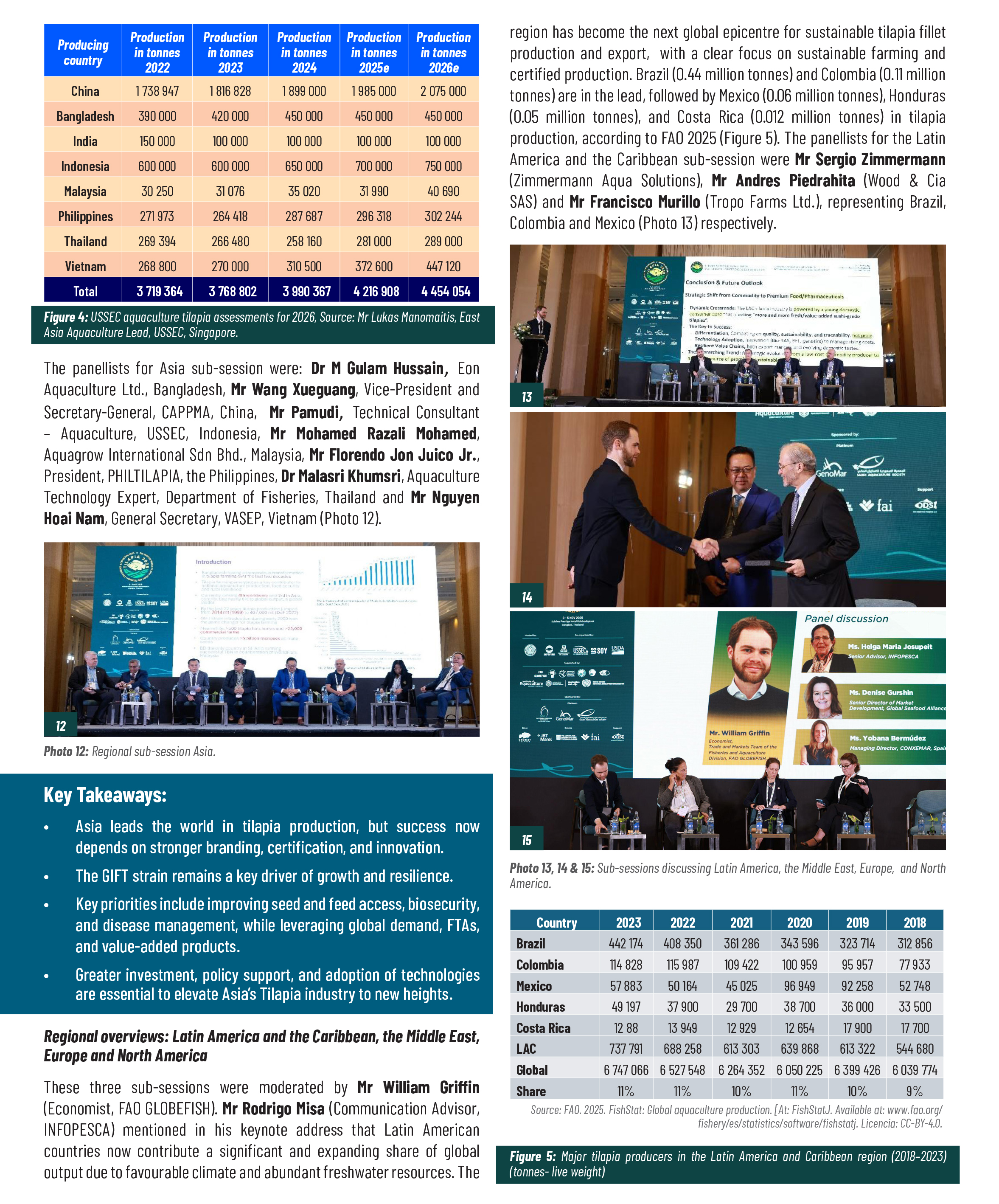
The plenary session focused on the tilapia trade and markets at both global and regional levels. Participants gained region-specific insights into trade and market dynamics across continents, augmented by country overviews which revealed information on current tilapia production and export, the key challenges and opportunities in the industry, as well as the outlook and expansion plans for commercial tilapia farming by the top tilapia producing nations.


The panellists for this sub-session were: Dr M Gulam Hossain, Eon Aquaculture Ltd., Bangladesh, Mr Wang Xueguang, Vice-president and Secretary-General, CAPPMA, China, Mr Pamudi, Technical Consultant – Aquaculture, USSEC, Indonesia, Mr Mohamed Razali Mohamed, Aquagrow International Sdn Bhd., Malaysia, Mr Florendo Jon Juico Jr., President, PHILTILAPIA, the Philippines, Dr Malasri Khumsri, Aquaculture Technology Expert, Department of Fisheries, Thailand and Mr Nguyen Hoai Nam, General Secretary, VASEP, Vietnam.

- Asia leads the world in tilapia production, but success now depends on stronger branding, certification, and innovation.
- The GIFT strain remains a key driver of growth and resilience.
- Key priorities include improving seed and feed access, biosecurity, and disease management, while leveraging global demand, FTAs, and value-added products.
- Greater investment, policy support, and adoption of technologies are essential to elevate Asia’s Tilapia industry to new heights.
Regional overviews: Latin America, the Middle East, Europe and North America

In view of the high tariffs for Chinese tilapia in the US market, the European market is becoming more interesting for exporters. It was recommended that Chinese exporters should aim to ship high quality fish, including shipments of fresh fillets, in order to compete with pangasius and Nile perch. Prices show that there is room for upward trends in pricing, at least to reach US market price levels. Ms Helga Maria Josupeit (Senior Advisor, INFOPESCA) and Ms Denise Gurshin (Senior Director of Market Development, Global Seafood Alliance, USA) joined the session, representing Europe and North America respectively.
- The tilapia sector in Latin America is reshaping global seafood trade, and the world should take note.
- Even in the driest conditions, resilience, innovation and adaptation can drive sustainable aquaculture forward.
- Tilapia is moving from being the “cheap” to the “smart” choice in Europe. Rebranding, certification, and storytelling is needed to position tilapia as a trusted and sustainable whitefish in Europe.
- The US market is mature and cost-pressured, calling for stronger promotion of tilapia as a premium and versatile fish; however, tariffs have become a major challenge.


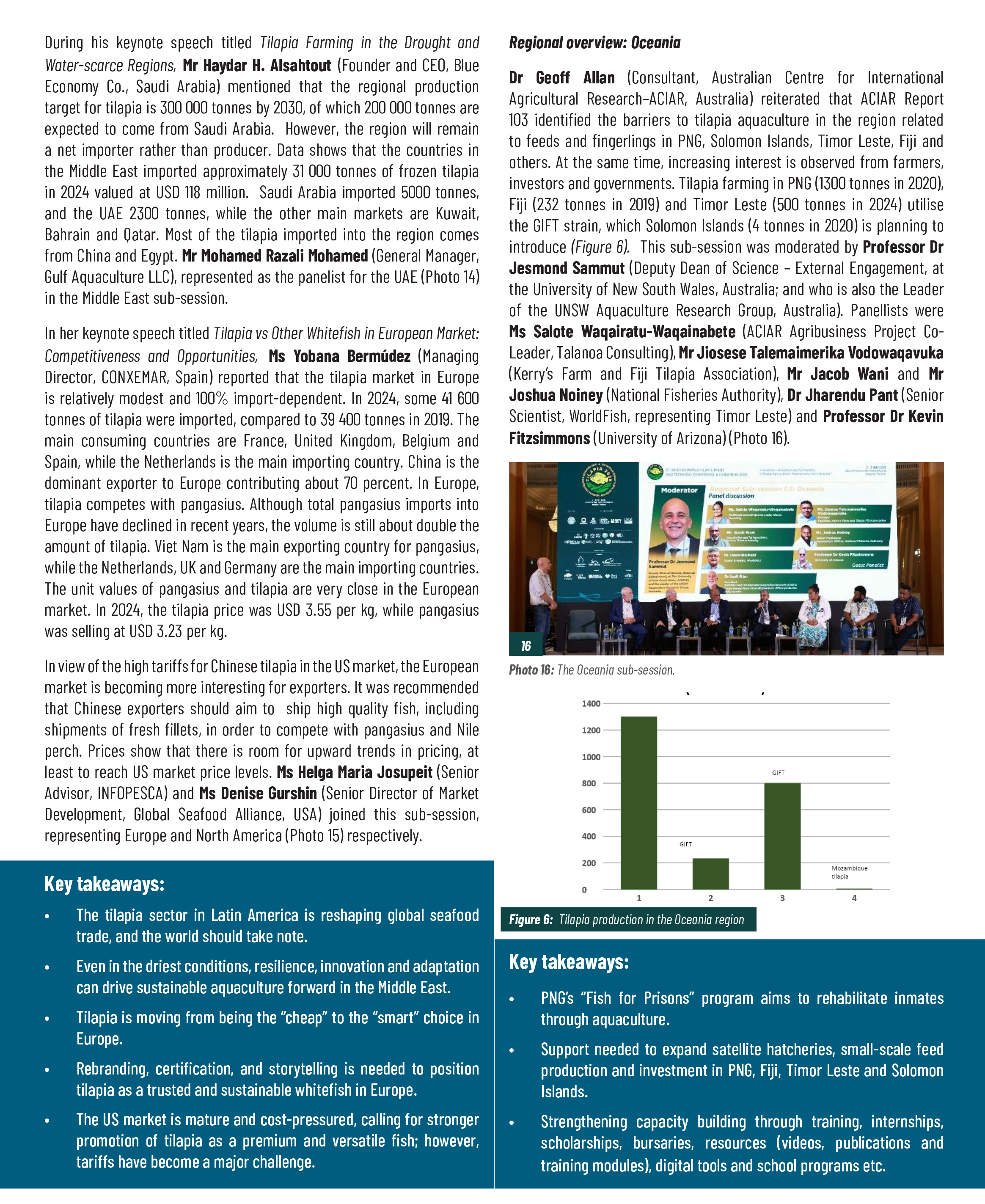
Regional overview: Oceania


- PNG’s “Fish for Prisons” program aims to rehabilitate inmates through aquaculture.
- Support needed to expand satellite hatcheries, small-scale feed production and investment in PNG, Fiji, Timor Leste and Solomon
- Strengthening capacity building through training, internships, scholarships, bursaries, resources (videos, publications and training modules), digital tools and school programs etc.


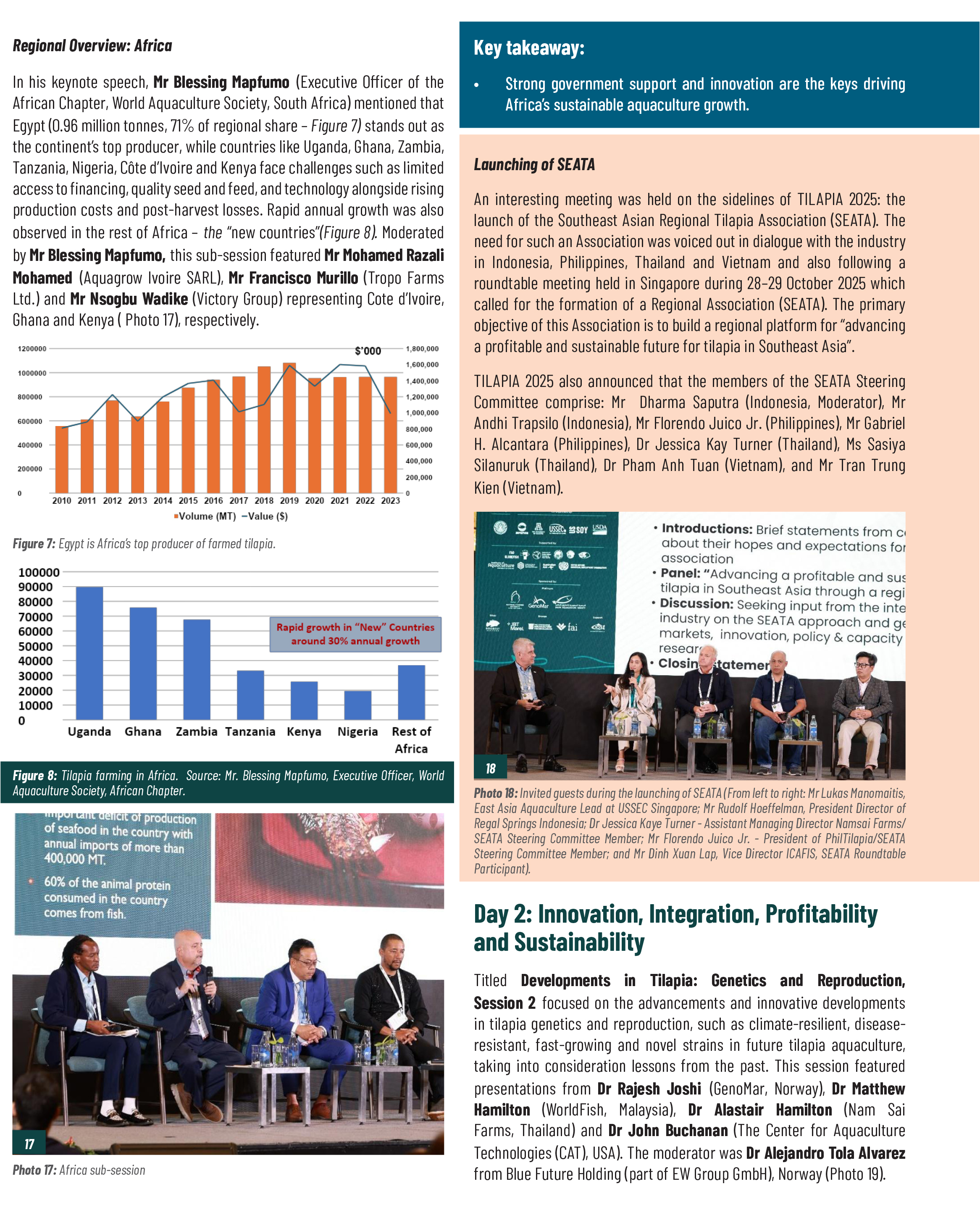
- Strong government support and innovation are the key to drive Africa’s sustainable aquaculture growth.
Launching of SEATA

Day 2: Innovation, integration, profitability and sustainability
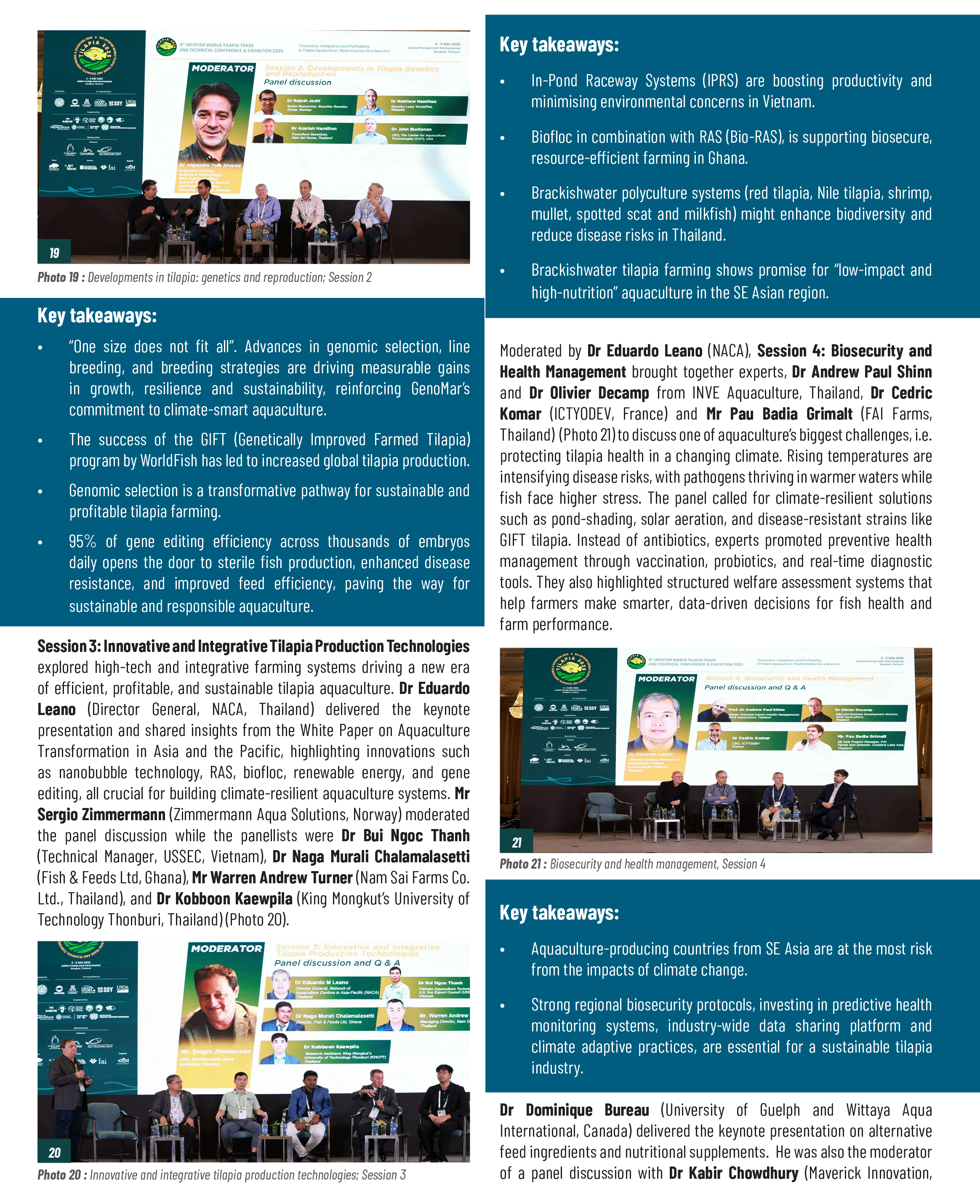
Titled Developments in Tilapia: Genetics and Reproduction, Session 2 focused on the advancements and innovative developments in tilapia genetics and reproduction, such as climate-resilient, disease-resistant, fast-growing and novel strains in future tilapia aquaculture, taking into consideration lessons from the past. This session featured presentations from Dr Rajesh Joshi (GenoMar, Norway), Dr Matthew Hamilton (WorldFish, Malaysia), Dr Alastair Hamilton (Nam Sai Farms, Thailand) and Dr John Buchanan (The Center for Aquaculture Technologies (CAT), USA). The moderator was Dr Alejandro Tola Alvarez from Blue Future Holding (part of EW Group GmbH), Norway.

- “One size does not fit all”. Advances in genomic selection, line breeding, and breeding strategies are driving measurable gains in growth, resilience and sustainability, reinforcing GenoMar’s commitment to climate-smart aquaculture.
- The success of the GIFT (Genetically Improved Farmed Tilapia) program by WorldFish has led to increased global tilapia production.
- Genomic selection is a transformative pathway for sustainable and profitable tilapia farming.
- 95% of gene editing efficiency across thousands of embryos daily opens the door to sterile fish production, enhanced disease resistance, and improved feed efficiency, paving the way for sustainable and responsible aquaculture.

- In-Pond Raceway Systems (IPRS) are boosting productivity and minimising environmental concerns in Vietnam.
- Biofloc, in combination with RAS (Bio-RAS), is supporting biosecure, resource-efficient farming in Ghana.
- Brackishwater polyculture systems (red tilapia, Nile Tilapia, shrimp, mullet, spotted scat and milkfish) might enhance biodiversity and reduce disease risks in Thailand.
- Brackishwater tilapia farming shows promise for “low-impact and high-nutrition” aquaculture in the SE Asian region.
climate. Rising temperatures are intensifying disease risks, with pathogens thriving in warmer waters while fish face higher stress. The panel called for climate-resilient solutions such as pond-shading, solar aeration, and disease-resistant strains like GIFT tilapia. Instead of antibiotics, experts promoted preventive health management through vaccination, probiotics, and real-time diagnostic tools. They also highlighted structured welfare assessment systems that help farmers make smarter, data-driven decisions for fish health and farm performance.

- Aquaculture-producing countries from SE Asia are at the most risk from the impacts of climate change.
- Strong regional biosecurity protocols, investing in predictive health monitoring systems, industry-wide data sharing platform and climate adaptive practices, are essential for a sustainable tilapia industry.
Dr Dominique Bureau (University of Guelph and Wittaya Aqua International, Canada) delivered the keynote presentation on alternative feed ingredients and nutritional supplements. He was also the moderator of a panel discussion with Dr Kabir Chowdhury (Maverick Innovation, Bangladesh), Mr Lukas Manomaitis (USSEC Singapore), and Dr Emilie Devic (Neofly, New Caledonia) under Session 5: Advancing Tilapia Nutrition & Feed Technology.

- Functional feeds and additives can boost production and reduce mortality, but claims must be science-verified.
- Single-cell proteins (algae, yeast, fungi, bacteria) offer sustainable fishmeal alternatives.
- Soy-based feeds remain crucial – “nutrients > ingredients”.
- Black Soldier Fly (BSF) larvae products are high in protein and convert waste to biomass, but face cost & regulatory challenges.
Side event: Meet the Authors and The Tilapia International Foundation’s Monsignor Heine Award 2025
Five distinguished authors across the globe actively engaged with conference delegates, shared valuable insights from their recent publications and signed autographs.

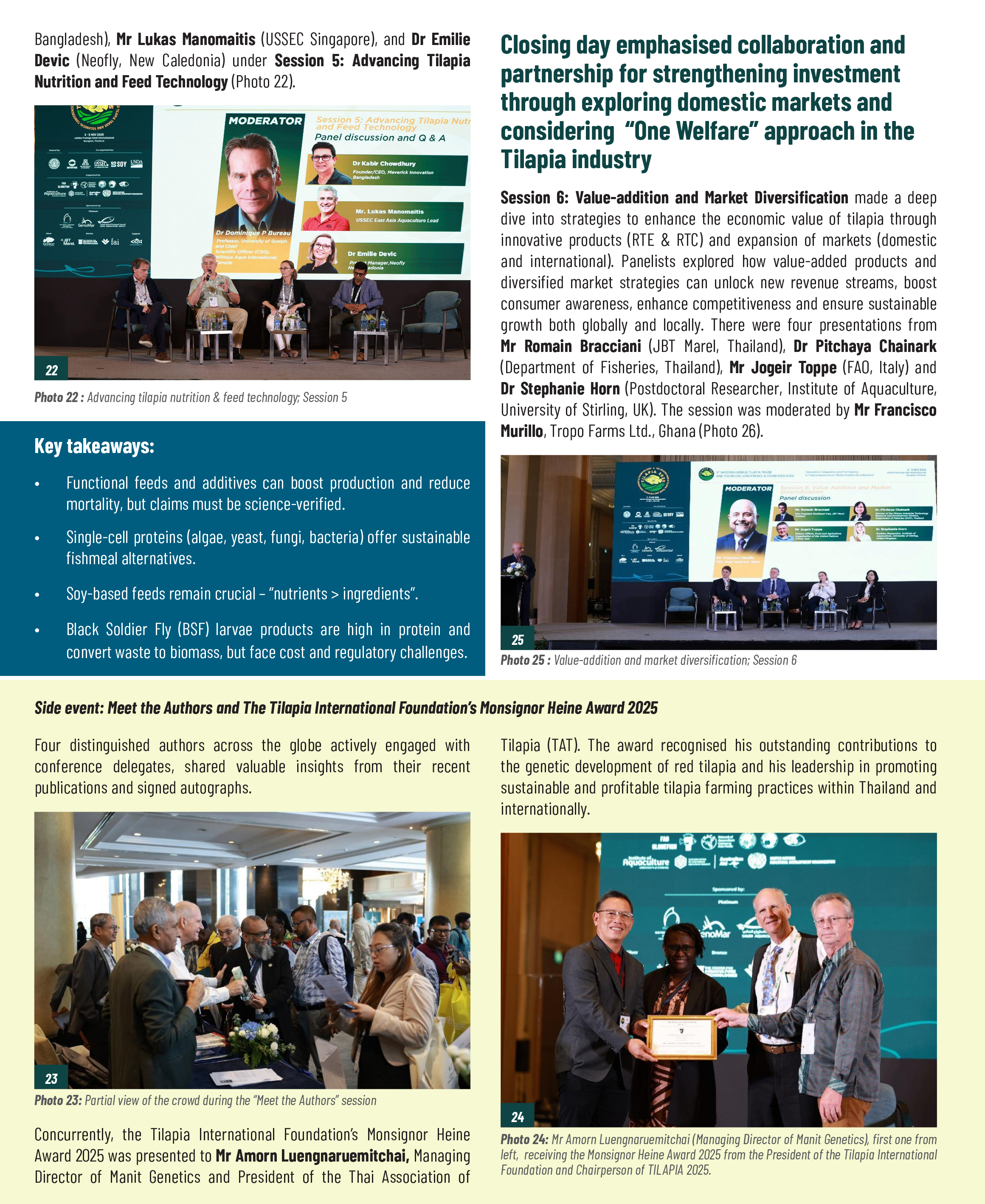
Concurrently, the Tilapia International Foundation’s Monsignor Heine Award 2025 was presented to Mr Amorn Luengnaruemitchai, Managing Director of Manit Genetics and President of the Thai Association of Tilapia (TAT). The award recognised his outstanding contributions to the genetic development of red tilapia and his leadership in promoting sustainable and profitable tilapia farming practices within Thailand and internationally.


- As global demand for healthy and convenient seafood continues to rise, advanced processing technologies are redefining how tilapia is prepared for the export markets.
- Thailand is driving innovation in tilapia-based value-added products tailored for domestic consumers through: (i) ready-to-eat items such as vacuum-fried chips, jerky floss, retort-pouched curry, frozen meals; (ii) healthy products such as protein-enriched snacks, collagen-infused wellness foods; (iii) convenience and lifestyle foods such as burgers, nuggets and flavoured dried strips; and (iv) Thai-inspired favourites such as tom yum, sweet basil and many more.
- Tilapia producers need to utilise good news stories by purposefully working towards improving nutritional and environmental performance.
- Nearly two-thirds of the tilapia (including heads, skin and scales) are often under-utilised, despite being rich in valuable nutrients. These by-products have immense potential for value-addition, such as (i) edible mince for soups, fish cakes and sausages; (ii) collagen for nutraceuticals; (iii) omega-rich oils; and (iv) feeds and fertilisers from viscera and trimmings.

- AIT’s long-standing role in driving South–South cooperation is a perfect example of effective regional collaboration in aquaculture.
- AquaHub is an initiative bridging the gap between research and industry to align innovation with market needs and strengthen Thailand’s aquaculture value chain.
- Arnan Farm, Thailand, is a good example of collaboration across sectors and generations, involving farmers, researchers, feed mills, and hatcheries. Real progress is expedited in tackling disease, improving feed efficiency, building resilience and enhancing sustainability.
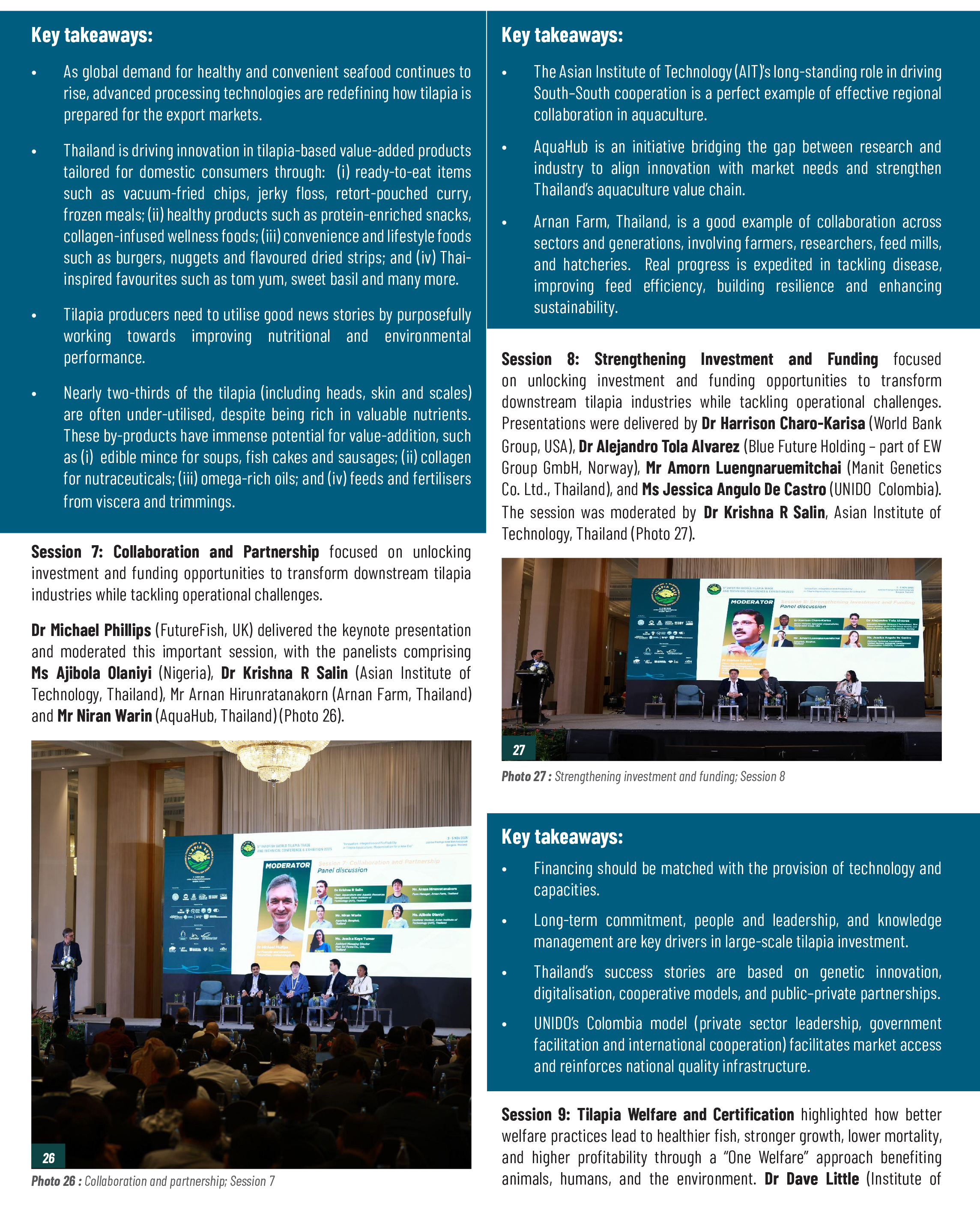
Session 8: Strengthening Investment and Funding focused on unlocking investment and funding opportunities to transform downstream tilapia industries while tackling operational challenges. Presentations were delivered by Dr Harrison Charo-Karisa (World Bank Group, USA), Dr Alejandro Tola Alvarez (Blue Future Holding – part of EW Group GmbH, Norway), Mr Amorn Luengnaruemitchai (Manit Genetics Co. Ltd., Thailand), and Ms Jessica Angulo De Castro (UNIDO Colombia). The session was moderated by Dr Krishna R Salin, Asian Institute of Technology, Thailand.

- Financing should be matched with the provision of technology and capacities.
- Long-term commitment, people and leadership, and knowledge management are key drivers in large-scale tilapia investment.
- Thailand’s success stories are based on genetic innovation, digitalisation, cooperative models, and public–private partnerships.
- UNIDO’s Colombia model (private sector leadership, government facilitation and international cooperation) facilitates market access and reinforces national quality infrastructure.

- Sustainable intensification requires welfare to be a key consideration and focus on managing environments along the value chain.
- eRNA gene expression can be regarded as a proactive, non-invasive early stress indicator.
- The Aquaculture Stewardship Council’s new welfare principle aims to reduce stress, improve survival, and enhance product quality, placing fish welfare at the heart of responsible aquaculture.
- The importance of data traceability in fish welfare focuses on key metrics such as stocking density, water quality, and humane slaughter practices.
- The Best Aquaculture Practices’ Animal Welfare Module ensures humane handling throughout production, strengthening trust and accountability across the seafood value chain.


Commercial Farm Visit
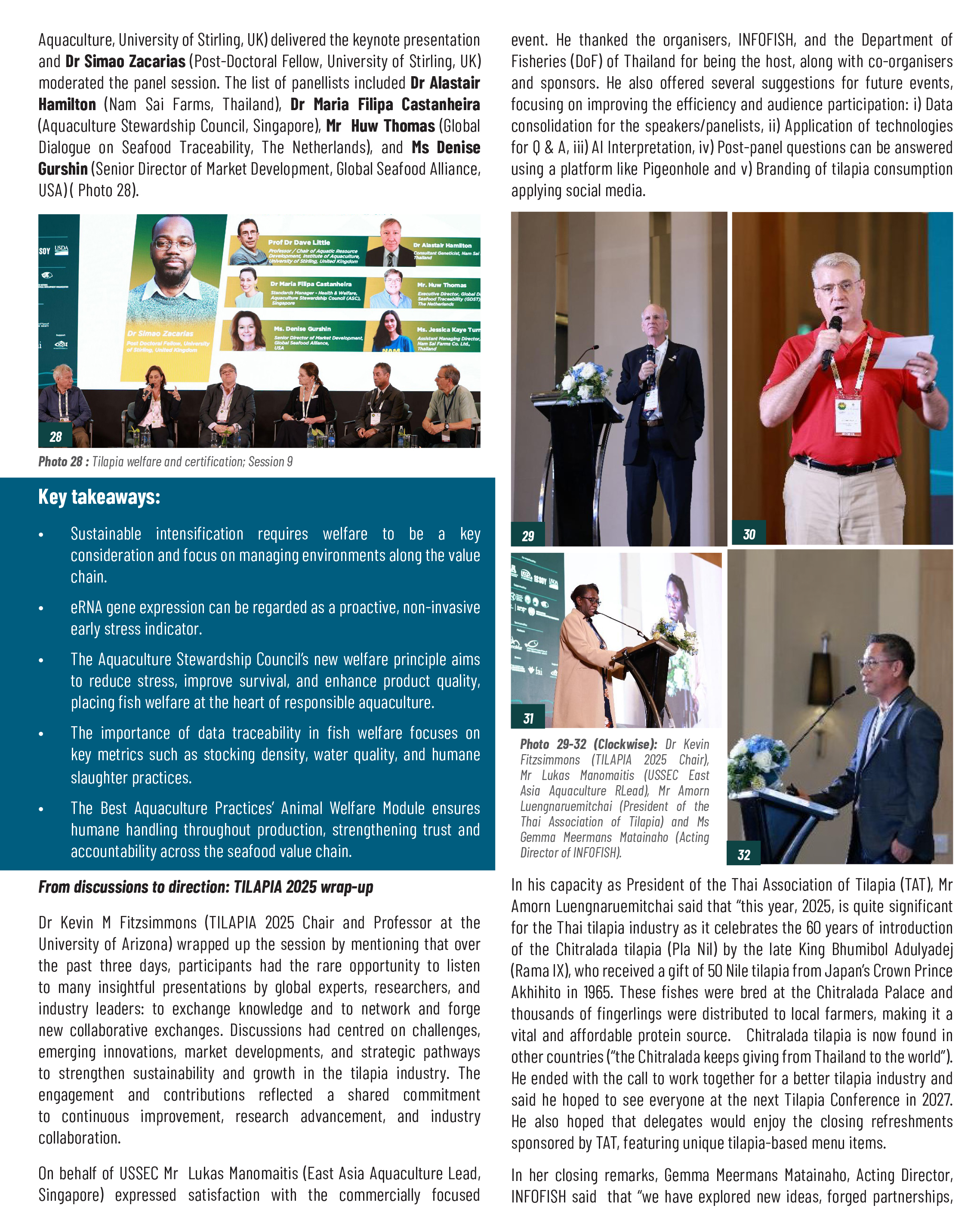
A commercial farm visit was organised on Day 4 for pre-registered delegates, providing participants with on-the-ground exposure to the latest tilapia production and feed operations in Thailand. The visit included tours of the Manit Group and INTEQC Global Feed Mill facilities, which enabled delegates to observe practical farm management practices, operational systems, and integrated feed production processes firsthand.


